BART SMITH OFFICIAL WEBSITE • AUTHOR • YOUTUBER • COOKIE BAKER • COOKBOOK CHEF • FUTURES TRADER


BOOK EXCERPT
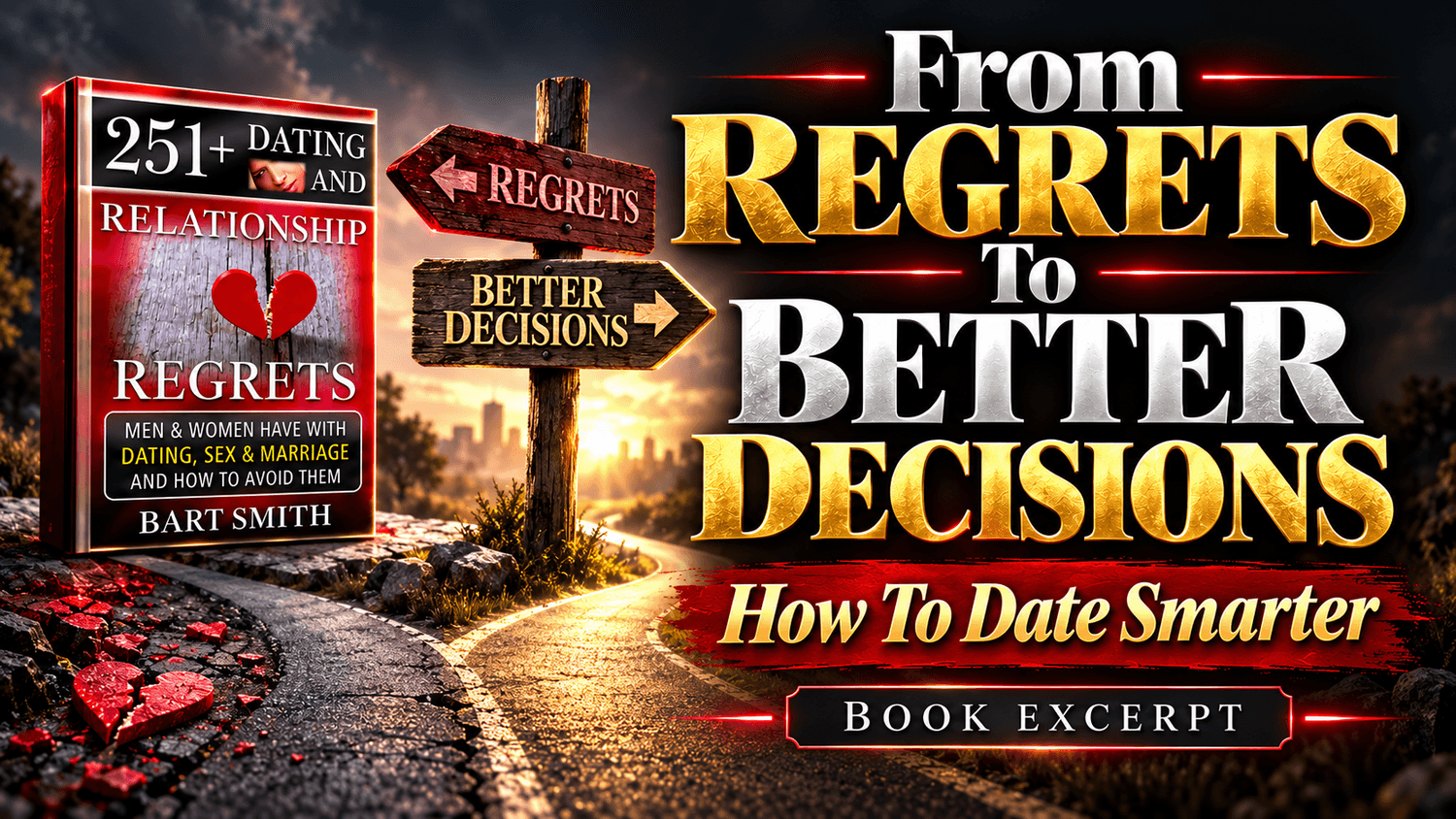
📖 How To Turn Relationship Regrets Into Better Decisions
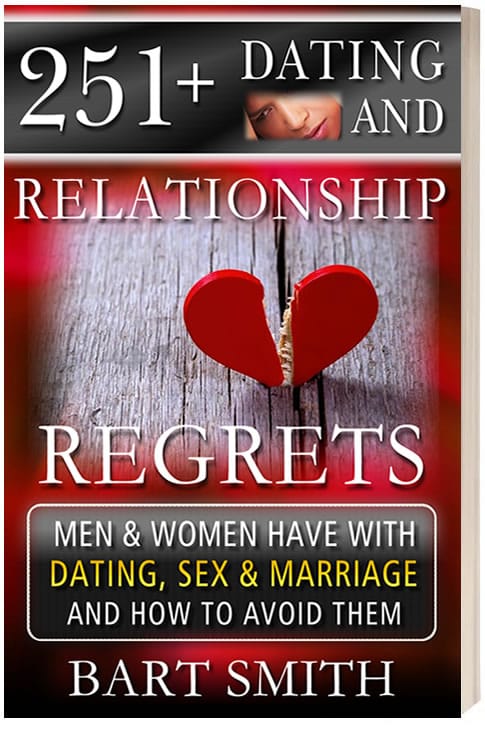
Excerpted and adapted from 251+ Dating & Relationship Regrets: Both Men & Women Have With Dating, Sex & Marriage & How To Avoid Them book by Bart Smith
Reprinted by Permission
Have you ever looked back on a relationship and thought, "If I could only go back and do THAT differently!"
Maybe you wish you'd never dated a certain person, married someone who wasn't right for you, overlooked warning signs, or stayed in a relationship long after you knew it was time to leave. Perhaps your regret is exactly the opposite. You walked away from someone wonderful, never expressed your true feelings, or failed to appreciate the person you had until they were gone.
YIKES! We've all made decisions we'd like to revisit.
Unfortunately, life doesn't come with a rewind button. We can't go back ten years, change a conversation, reconsider a decision, or recover the time we invested in a relationship that didn't work out.
BUT WE CAN LEARN FROM WHAT HAPPENED AND MAKE BETTER DECISIONS GOING FORWARD!
That's one of the reasons I wrote 251+ Dating & Relationship Regrets. I wanted people to learn from the experiences of others rather than make every painful mistake themselves. After all, if you know what went wrong in someone else's relationship, why not use that knowledge to protect yourself from experiencing something similar?
REGRETS CAN BE VALUABLE LESSONS!
Most people think of regret as something entirely negative, which is understandable. Regret can weigh heavily on your heart, consume your thoughts, drain your energy, and interfere with your ability to enjoy life.
However, regret can also teach us something profoundly important about ourselves.
Think about the decisions you have made in your romantic life. Did you ignore your instincts? Did you move too quickly? Were you afraid to speak up about something that bothered you? Did you tolerate behavior you knew was unacceptable? Or perhaps you were so preoccupied with work, personal ambitions, and everyday responsibilities that you neglected someone who genuinely loved you. These experiences reveal a truth worth remembering: regrets aren’t always about what we did; sometimes, they are about what we failed to do.
We may regret saying something hurtful, but we can also regret never saying something loving. We may regret staying in the wrong relationship, but we can also regret abandoning a good one. The objective isn’t to punish yourself forever over the past. It is to understand what happened, recognize what you would do differently, and apply those valuable lessons to your future decisions.
FIRST, PUT YOUR REGRETS ON PAPER!
Near the end of my book, I include an exercise called My Regrets. I ask readers to write down SIX REGRETS they've experienced in their dating or relationship lives. Why write them down? Because there's something valuable about getting those thoughts out of your head and putting them in front of you where you can examine them.
You don't need to write a novel about each experience. A few words or a sentence identifying what happened will do. Perhaps you rushed into a relationship, ignored repeated warning signs, failed to communicate your intentions, or invested years in someone who didn't share your plans for the future.
Once you've identified those regrets, take a closer look at them. What circumstances contributed to the decisions you made? What did you know at the time? What did you overlook? And most importantly, what would you do differently today? Be fair with yourself as you answer. Hindsight can make everything appear obvious, but you didn't necessarily have all the information then that you have now.
Still, if you recognize a pattern in your decisions, that's something worth addressing. There's little value in regretting something for years only to repeat the same mistake with the next person you date!
NOW, LEARN FROM WHAT HAPPENED TO OTHERS!
Here's where another exercise from my book becomes particularly useful. After reviewing the relationship regrets other people have experienced, I ask readers to identify FIVE REGRETS THEY PERSONALLY WANT TO AVOID. Notice the difference between this exercise and the previous one. We're no longer examining only our own history. We're looking at what happened to other people and asking ourselves whether we might someday face similar circumstances.
Imagine reading about someone who stayed with an unsuitable partner because they were afraid of being alone. Or someone who entered a relationship without discussing marriage, children, finances, or other important expectations. Perhaps another person's experience reminds you of how easily people can overlook controlling behavior, excuse repeated dishonesty, or lose themselves trying to satisfy someone else's demands.
You might never have experienced those situations personally, but that doesn't mean you can't learn from them.
In fact, wouldn't it be wonderful to avoid a costly mistake simply because you recognized the warning signs before making it? WHY REINVENT THE WHEEL OF RELATIONSHIP REGRETS WHEN OTHER PEOPLE HAVE ALREADY SHOWN YOU WHERE THE POTHOLES ARE? That's the beauty of learning from someone else's experiences. Their lessons can become part of your preparation for making better decisions.
MAKE A COMMITMENT TO YOURSELF!
Now that you've identified regrets from your past and situations you'd like to avoid in the future, it's time to decide what you're actually going to DO differently. In my book, the Regrets I'll Avoid exercise concludes with a place for readers to sign their names and date their commitment to themselves. I included that for a reason. It's one thing to recognize a mistake. It's another to take responsibility for changing your behavior.
If you've repeatedly ignored warning signs, promise yourself you'll pay closer attention. If you've had trouble communicating your needs, make an effort to express them earlier. If you tend to rush into major commitments, give yourself more time to get acquainted before making important decisions.
And if you discover that you've contributed to problems in previous relationships, be willing to work on yourself, too. After all, we can't expect the person we're dating to do all the improving while we sit back pretending we're perfect!
No written promise can guarantee that you'll never make another mistake. We're human, and relationships can be complicated. But becoming more aware of your decisions can help you recognize troublesome patterns before they create another painful experience.
THE GOAL ISN'T TO LIVE WITHOUT EVER MAKING A MISTAKE. THE GOAL IS TO STOP REPEATING THE ONES YOU'VE ALREADY LEARNED FROM!
FINALLY, LEARN TO FORGIVE AND LET GO!
Of course, identifying past mistakes is only part of the process. We also need to learn how to move forward. In the Dealing With Regrets section of my book, I encourage readers to seek support, share what they're experiencing, take action where necessary, and begin looking toward the future.
Sometimes that means speaking with a trusted friend or family member. Sometimes it means seeking professional guidance, particularly when a relationship has involved serious emotional difficulties, threats, or abuse. And sometimes it means accepting that a relationship has ended and giving yourself permission to begin a new chapter.
You don't have to forget everything that happened. Nor does forgiveness require returning to someone who mistreated you. You can learn from an experience without allowing it to dominate the rest of your life.
As I emphasize in the book: LIVE, FORGIVE AND LET GO! Time can help bring perspective, and taking constructive action can help you regain confidence in your decisions. The important thing is to avoid spending the rest of your life looking backward when there may be wonderful opportunities waiting ahead.
FINAL WORD
Every relationship teaches us something, whether it lasts a few weeks, several years, or an entire lifetime. Some experiences leave beautiful memories. Others leave lessons we'd rather not have learned the hard way.
But those lessons don't have to go to waste.
Take time to examine your past, identify what you'd change, learn from the experiences of others, and make a genuine commitment to yourself to approach future relationships with greater awareness and care.
You cannot change yesterday. But you can make decisions today that may lead to a happier, healthier, and more fulfilling tomorrow.
YOUR PAST REGRETS DON'T HAVE TO BECOME YOUR FUTURE REGRETS! So, learn what you can, make peace with what you cannot change, and keep moving forward. Who knows? Your next relationship may become one of the best experiences of your life—and wouldn't it be wonderful to enjoy it without repeating the mistakes you promised yourself you'd never make again?
(THIS CONTINUES IN THE BOOK)
WANT TO LEARN MORE?
In my book, 251+ Dating & Relationship Regrets: Both Men & Women Have With Dating, Sex & Marriage & How To Avoid Them, I share hundreds of experiences involving relationships, dating, intimacy, marriage, communication, and the decisions people wish they'd handled differently.
You'll also discover practical exercises to help you identify your own regrets, recognize mistakes you'd like to avoid, and make better decisions in your current or future relationships.
Why experience every painful lesson yourself when you can learn from what others have already gone through? Get my book today and start reading over (or listening to) the regrets others have experienced so hopefully you never will.
# # #
WOULD YOU LIKE TO:
RETURN TO THE:
WOULD YOU LIKE TO:

Website Design by Bart Smith
© Bart Smith | All Rights Reserved