BART SMITH OFFICIAL WEBSITE • AUTHOR • YOUTUBER • COOKIE BAKER • COOKBOOK CHEF • FUTURES TRADER


BOOK EXCERPT
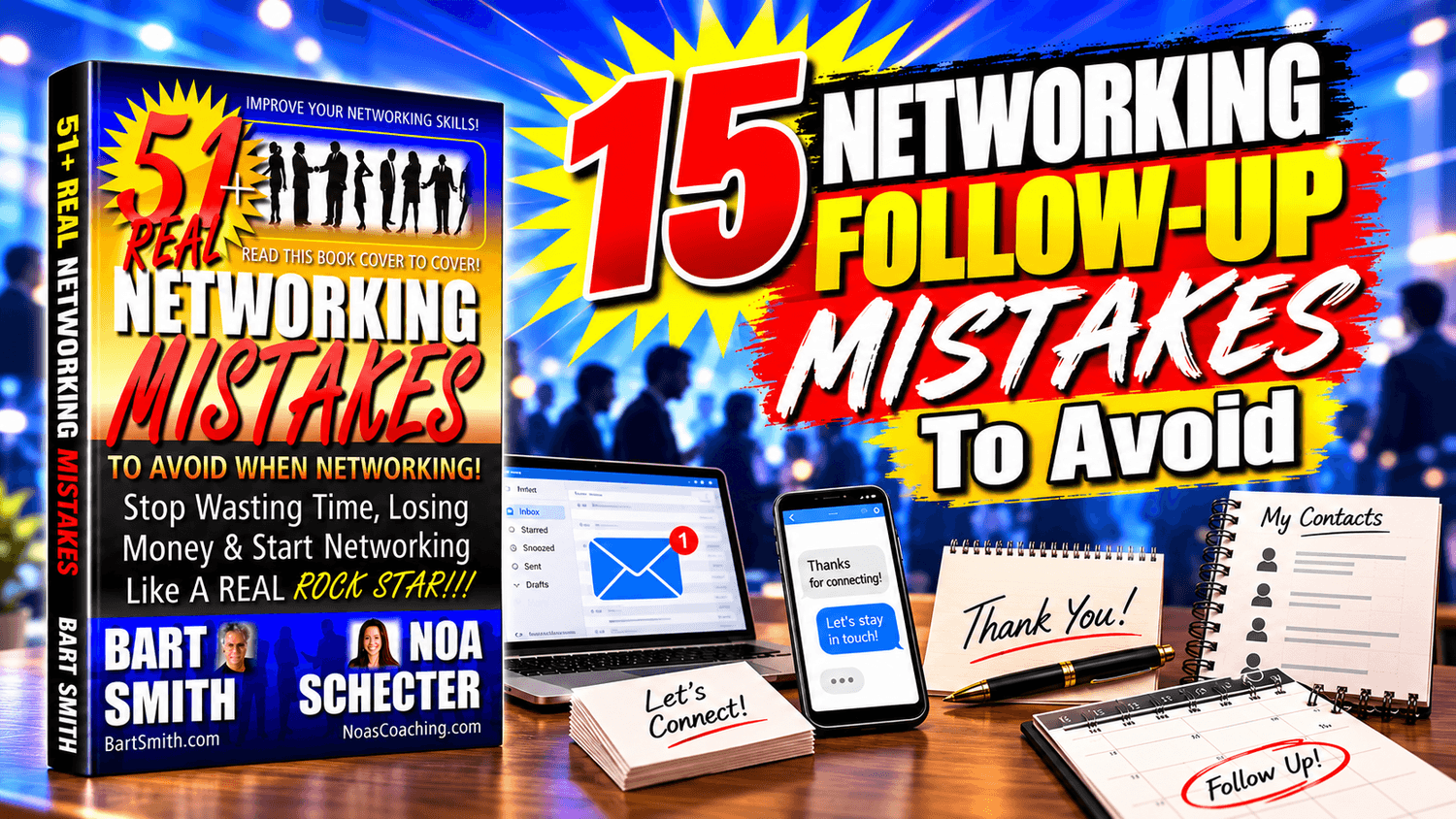
📖 15 Networking Follow-Up Mistakes To Avoid
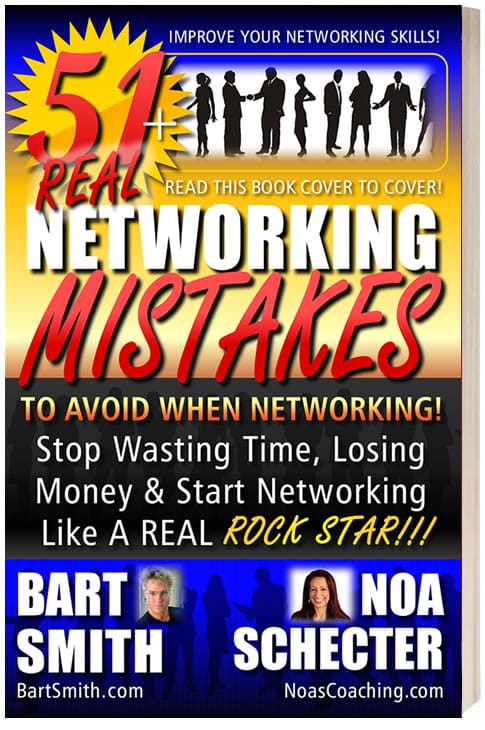
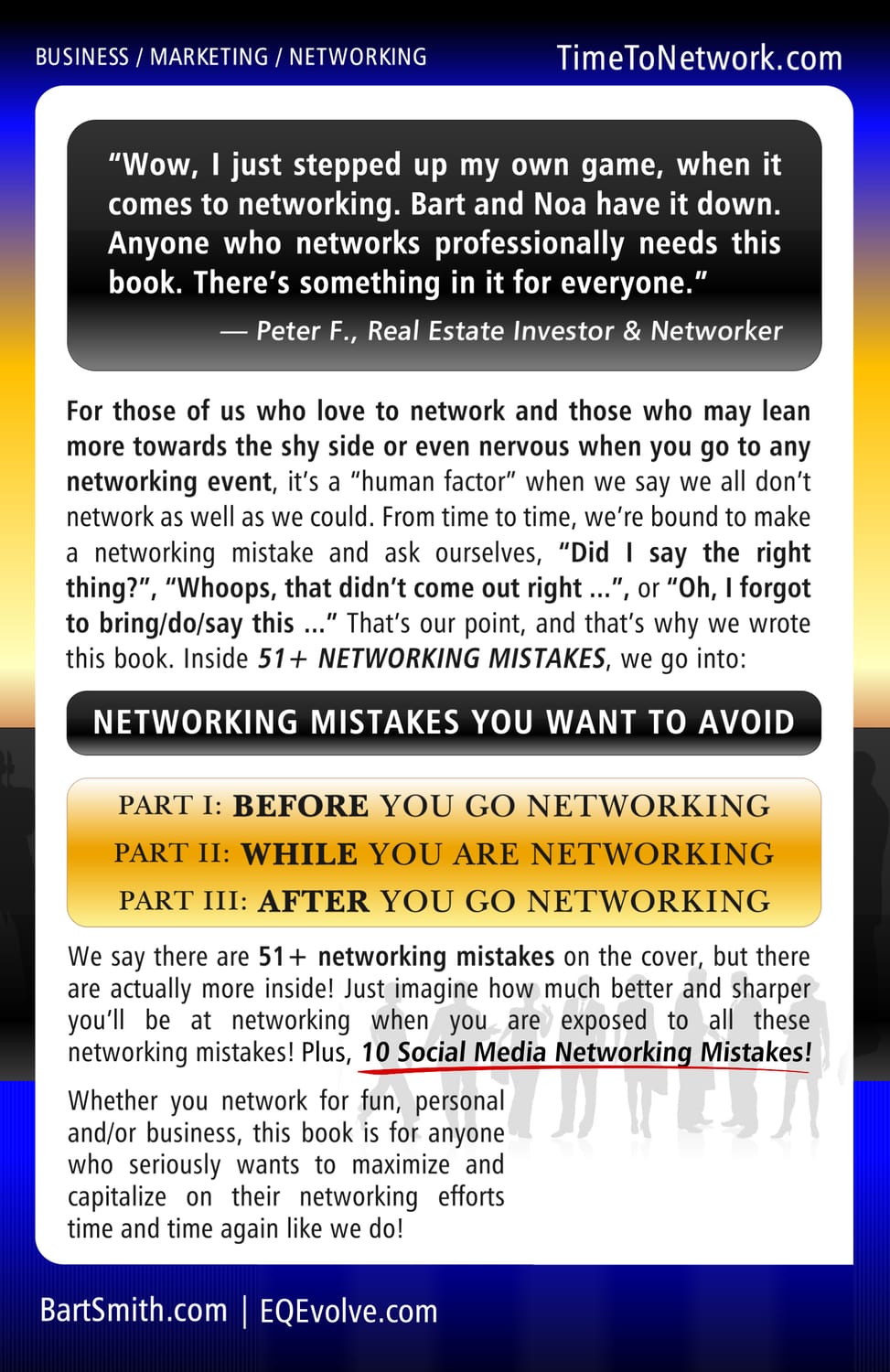
Excerpted and adapted from 51+ Networking Mistakes book by Bart Smith
Reprinted by Permission
The networking event may be over, but the networking is not.
This is where many people lose the value of the time, money and energy they just invested. They collect cards, promise to call, return to work - and then do nothing.
Follow-up is what turns a brief conversation into a real contact, relationship, referral, appointment, partnership or sale.
Here are 15 networking follow-up mistakes to avoid:
1. Never evaluating how the event went.
Ask what worked, what did not, what you forgot, what people responded to and what you would change next time. Every event should make you a better networker.
2. Forgetting the lines and stories that worked well.
If something you said got a strong reaction, write it down while you still remember it. Good language can become part of your future networking routine.
3. Ignoring something you said that landed badly.
If a comment felt awkward, confusing or inappropriate, learn from it. If you owe someone an apology, handle it instead of pretending it never happened.
4. Letting business cards pile up without a system.
Use a CRM, contact database or another simple system. Record the person's name, the event, what you discussed and what you promised to do.
5. Failing to prioritize new contacts.
Not every contact needs the same follow-up. Sort people into categories such as urgent, warm and general so you know who deserves immediate attention.
6. Waiting too long to follow up.
Momentum fades quickly. Contact people while the conversation is still fresh and while they still remember you.
7. Assuming the other person will make the first move.
Most people do not. If you want the relationship to continue, take responsibility and reach out.
8. Sending generic follow-up messages.
Use the notes you took. Mention something specific you discussed so the message feels personal and proves you were listening.
9. Giving up after one unanswered message.
A new contact may need two or three communications before a real relationship forms. Follow up professionally without becoming a pest.
10. Failing to track follow-up activity.
Keep notes on calls, messages and next steps. A simple chart or CRM prevents leads from disappearing because you forgot where things stood.
11. Forgetting to follow through on promises.
If you offered to send a link, make an introduction, mail a book or provide a referral, do it. Your reliability becomes part of your reputation.
12. Sharing someone's contact information without permission.
If you want to introduce a new contact to your friends or colleagues, ask before passing along private contact information.
13. Failing to introduce people you said you would connect.
A quick introduction can create enormous goodwill. Do not wait weeks after promising to connect two people.
14. Ignoring the promotional value of the event afterward.
Post appropriate photos, thank the host, mention useful people you met and share what you learned. Help promote others as well as yourself.
15. Failing to prepare for the next networking opportunity.
Restock materials, replace what you sold or gave away, fix what was missing and improve your systems while the experience is still fresh. Each event should prepare you for the next one.
FINAL THOUGHT
A networking contact has almost no value if it disappears into a pile of business cards.
Organize it. Personalize it. Follow up. Keep your promises. Stay in touch. The event opens the door; follow-up is what walks you through it.
(THIS CONTINUES IN THE BOOK)
# # #
WOULD YOU LIKE TO:
RETURN TO THE:
WOULD YOU LIKE TO:

Website Design by Bart Smith
© Bart Smith | All Rights Reserved